
The Invisible Ecosystem: Why the Acidic pH and the Microbiome Determine Skin Health
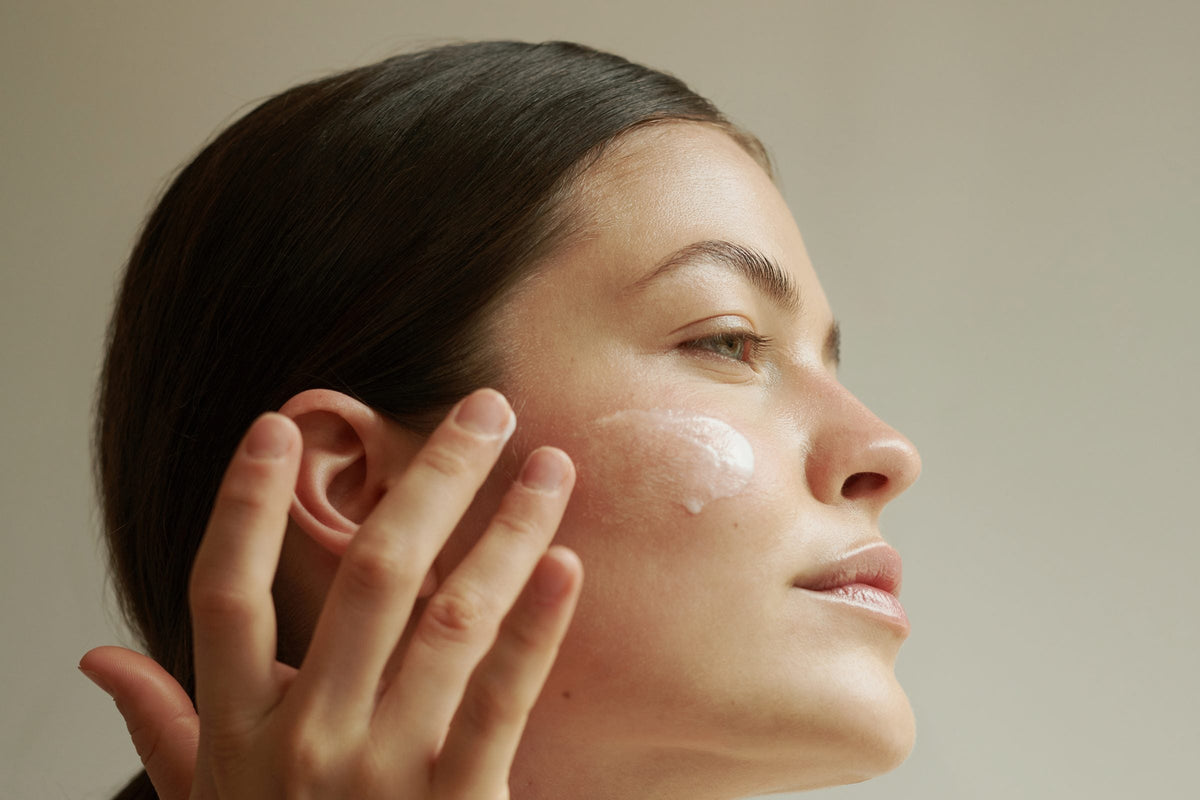
When people talk about skincare, active ingredients such as retinol, hyaluronic acid, peptides, or antioxidants usually take center stage. But the foundation for clear, balanced skin lies much further out—right on the surface.
When it comes to skincare, active ingredients such as retinol, hyaluronic acid, peptides, or antioxidants usually take center stage. But the foundation for clear, balanced skin lies much further out—right on the surface.
Two invisible protective shields largely determine whether the skin remains balanced or becomes prone to blemishes, redness, and irritation: the physiological pH and the skin microbiome.
The Acid Mantle: Why Skin Needs to Be Acidic
In a healthy state, the skin surface has a slightly acidic pH, typically between 4.5 and 5.5. This acidic environment—also known as the acid mantle—is the result of sweat, sebum, and metabolic products from the resident microflora.
What exactly happens there:
- Biological barrier function: The acidic pH inhibits the growth of pathogenic bacteria and fungi, which could multiply optimally in a neutral or alkaline environment.
- Enzyme activity: Important enzymes in the stratum corneum, responsible for natural desquamation and the synthesis of ceramides, depend on this acidic optimum. If the pH rises, these enzymatic processes are disrupted.

The Microbiome: The Skin's Protective Microflora
Trillions of microorganisms—bacteria, fungi, and viruses—live on and in the upper layers of the epidermis, together forming the skin microbiome.
These microorganisms are not intruders, but essential partners. They crowd out harmful germs by competing for nutrients, produce antimicrobial peptides, and communicate directly with immune system cells.
Any disruption to this ecosystem—whether caused by harsh surfactants, incorrect pH levels, or unsuitable ingredients—leads to what is known as dysbiosis. Beneficial microorganisms are displaced, while opportunistic pathogens can spread unchecked.
The Wrong Cleansing Vicious Cycle: How Unsuitable Products Destroy the Environment
Ironically, the disruption of this delicate system often begins in the bathroom—and with the first step of the routine: facial cleansing.
Conventional cleansing products with highly foaming surfactants or an alkaline pH (such as traditional soaps) wash away not only dirt, but also protective lipids. They also raise the skin's pH. An elevated pH, in turn, weakens the enzymatic activity of the stratum corneum, washes away beneficial microorganisms, and leaves the skin feeling tight. In response, the skin often tries to compensate for the loss of lipids by increasing sebum production—a classic vicious cycle of dryness and blemishes.

Targeted Cleansing in Harmony with Biology
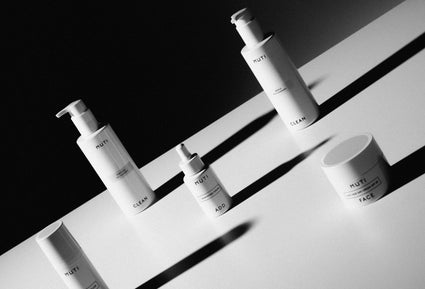
To protect the microbiome and the acid mantle, thoughtful skincare requires an uncompromising approach to cleansing. This is exactly what sets MUTI cleansing products apart:
- Precise pH matching: Cleansing formulations must be tailored to the skin's natural, acidic pH to stabilize the physiological environment from the very first second.
- No harsh surfactants: Instead of damaging the skin barrier with aggressive cleansing agents, modern, biology-compliant formulations use mild, skin-friendly ingredients and prebiotic components (such as inulin) that specifically nourish and balance the microbiome.
Through mild, pH-optimized cleansing, MUTI cleansers minimize daily cosmetic stress, allowing the skin to maintain its natural resilience over time. The Purifying Gel Cleanser with inulin and mild lactic acid is designed for oily and combination skin. For dry skin, the Gentle Milk Cleanser with apricot oil, vitamin E, and bisabolol is recommended. Both products leave the skin feeling thoroughly cleansed and balanced—without any tightness.
Scientific References
Baker, P., et al. (2023), Skin Barrier Function: The Interplay of Physical, Chemical, and Immunologic Properties, Cells, 12(23), 2745
Lee, H. J., & Kim, M. (2022), Skin Barrier Function and the Microbiome, International Journal of Molecular Sciences, 23(21), 13071
Krutmann, J., et al. (2022), Exposome and Skin: Part 1. Bibliometric Analysis and Review of the Impact of Exposome Approaches on Dermatology, Dermatology and Therapy, 12(3), 515–534