
Retinol in Focus: Encapsulated Mechanism of Action as a Key to an Intact Skin Barrier
In dermatological research, retinoids have been considered for decades to be the best-studied and most proven active ingredient standard for stimulating collagen synthesis and regulating cell renewal. To understand why retinol plays such a central role within this class of substances in intelligent skincare, it is worth taking a look at the biochemical pathway in the skin.
In dermatological research, retinoids have been considered the best-studied and most proven active ingredient standard for stimulating collagen synthesis and regulating cell renewal for decades. To understand why retinol plays such a central role within this class of substances in intelligent skincare, it is worth taking a look at the biochemical pathway in the skin.
Topically applied retinol is a biological precursor within the retinoid family. In order to unleash its full effect in the skin cells, it must undergo a two-step enzymatic process:
- First step: The oxidation of retinol to retinaldehyde or retinal.
- Second step: Further oxidation to the bioactive target form – retinoic acid.
While pharmaceutical retinoic acid acts directly on the receptors and thus often leads to redness and peeling of the skin, retinol offers a significantly more moderate bioavailability through this necessary conversion process.
Since the conversion rate in the epidermis is limited, retinol acts more mildly and can be better integrated into a well-tolerated skincare routine.

Why encapsulated retinol is crucial for stability
Pure retinol is naturally a highly reactive molecule. As soon as it is exposed to light or oxygen unprotected, it oxidizes and degrades rapidly, whereby its effectiveness in the product decreases rapidly.
Modern formulation science solves this fundamental stability problem through targeted encapsulation mechanisms: By enclosing it in liposomal or polymeric carrier systems, the molecule is effectively protected from oxidative degradation.
Thus, the active ingredient remains intact, does not lose its potency prematurely during application, and reaches stably where it can perform its cell-stimulating work.
Regulatory framework
The European Union has reorganized the cosmetics market for vitamin A derivatives based on comprehensive toxicological assessments. After testing by the SCCS (Scientific Committee on Consumer Safety), a binding upper limit of 0.3% retinol equivalents in face creams was established.
This regulatory measure underscores scientific minimalism: Higher doses do not bring a linear additional benefit for skin rejuvenation, but drastically increase the risk of barrier dysbalance and chronic irritation.
The MUTI approach: Scientific precision without overload
MUTI integrates retinol into a low-irritation formulation tailored to the physiological pH of the skin, which consistently avoids the classic vicious cycle of skincare overload and skin irritation.

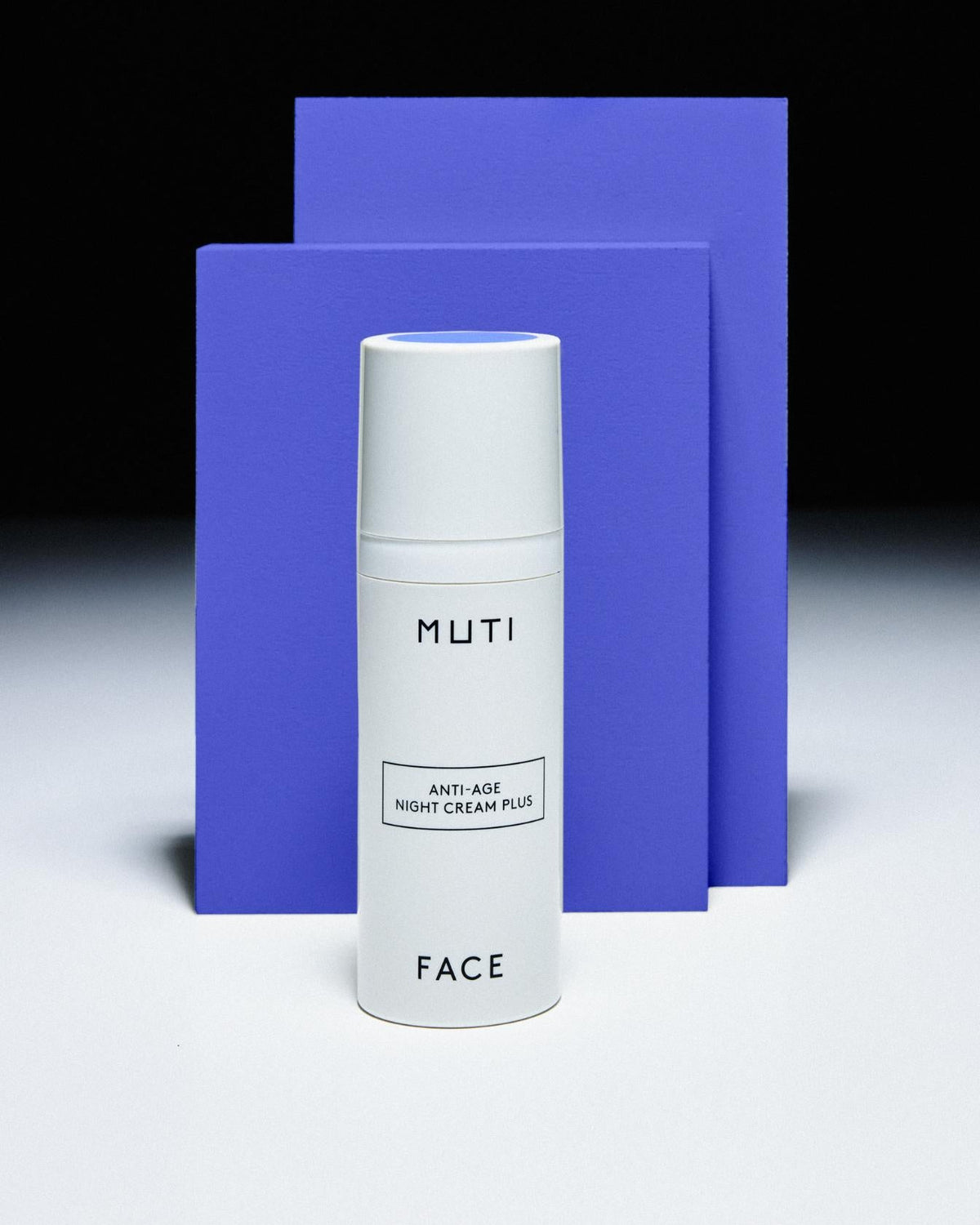
The MUTI Night Plus Cream relies on encapsulated retinol: Instead of overwhelming the skin, it provides a precise, cell-stimulating impulse for long-term firmness and vitality – tailored to a minimalist routine that protects the skin barrier.
Scientific references
SCCS (2021), Opinion on Vitamin A (Retinol, Retinyl Acetate, Retinyl Palmitate), SCCS/1639/21
Mukhopadhyay, P., et al. (2018), Retinoids: Transport, metabolism, and its aetiology in human skin disorders, Journal of Cosmetic Dermatology, 17(5), 734–744
Kohl, E., et al. (2016), Skin aging and retinoids: formulation, stability, and delivery mechanisms via encapsulation, Archives of Dermatological Research, 308(4), 215–225